Woodwork and trim painting in Teesside
Painting woodwork and trim in Teesside starts from £200 in 2026 for a set of doors, skirtings and architrave: everything sanded, knots and joints treated, primed where bare, then finished in gloss, satin or eggshell with brush marks kept out of the light.
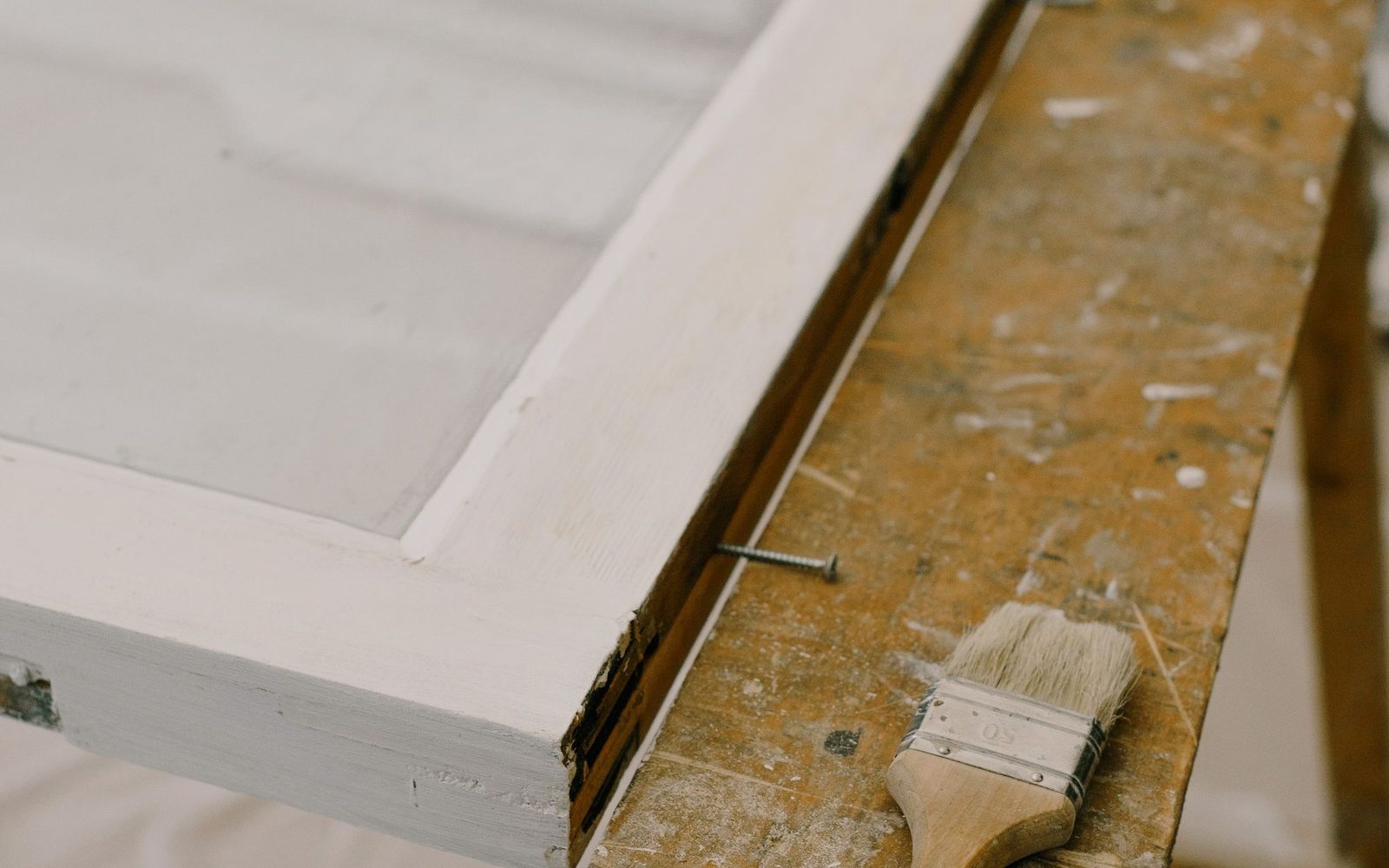
The detail everyone notices last and judges first
Walls carry the colour, but trim carries the quality. Yellowed skirtings against fresh emulsion, a door with runs down the panels, an architrave still holding thirty years of brush marks: these are the things visitors read as tired even when the walls have just been done. Woodwork also takes the physical punishment in a house, so it is repainted more often than anything else indoors.
What the price covers
- Sanding back: flatting the existing finish so the new coat keys, and cutting out runs, nibs and old drips rather than painting over them.
- Repairs: filling dents and splits, treating knots that would bleed through, caulking the joint between trim and wall.
- Priming and undercoating: wherever bare timber, filler or a big colour change is involved.
- Two finish coats: in gloss, satin or eggshell, laid off carefully so the surface reads smooth in daylight.
What moves the price
Count and complexity do most of it. Six flat modern doors and a run of plain skirting is quick work; six four-panel Victorian doors with moulded architrave, a picture rail and a spindle staircase is several days of patient brushwork. Condition follows: layers of old gloss that have gone brittle and yellow may need thorough flatting or, on the worst doors, stripping. And the older Teesside terraces bring an extra question, since pre-1960s paintwork can contain lead, which means wet sanding and sensible handling rather than a power sander and a dust cloud.
Staircases and spindles
A staircase is the most labour-heavy trim job in any house. Every spindle has four faces, the strings and treads need cutting in by hand, and the whole thing sits in the busiest route through the home so it has to be worked in sections. Priced properly it is often a two to three day job on its own, and it transforms a hallway more than any other single piece of decorating.
Gloss, satin or eggshell?
Traditional oil gloss is the hardest wearing and the shiniest, though modern water-based versions stay white far longer where oil-based paint ambers over time. Satin sits in the middle and hides small imperfections better. Eggshell is the low-sheen choice that suits period trim and modern flat-colour schemes alike. The finishes guide compares them properly, and the interior painting page covers doing the walls at the same time.